 Go back
Published: 13 Feb 2026
AI and the Future of Human Creativity – Tool or Threat?
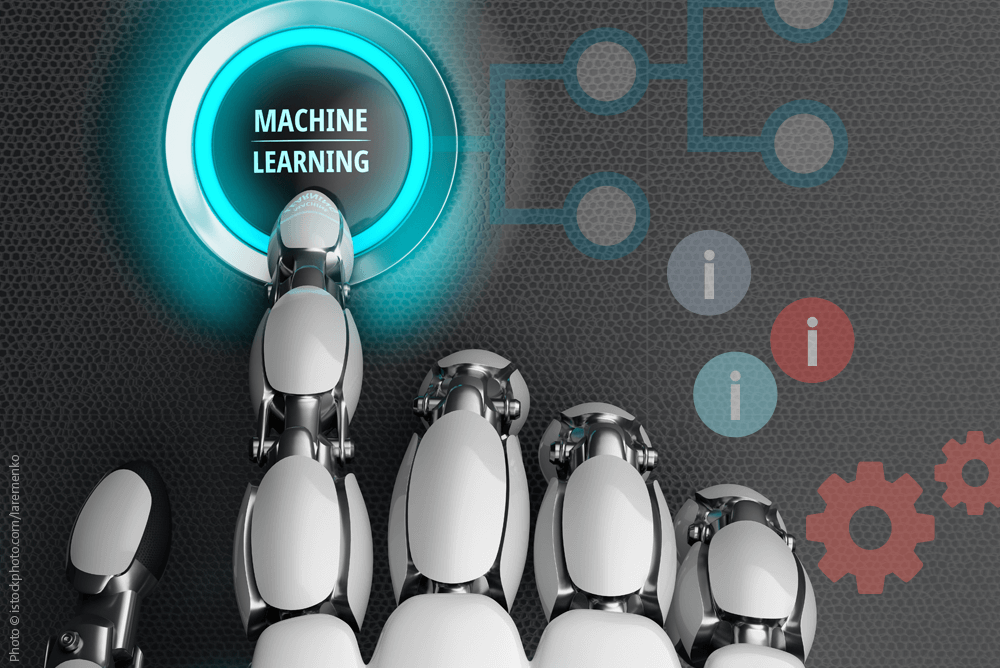
Artificial Intelligence is rapidly entering creative fields — writing, music, design, video editing, and even filmmaking.
What was once considered purely human is now being shared with machines.
This raises an important debate:
Is AI enhancing human creativity, or slowly replacing it?
AI as a Creative Tool
Today, AI helps creators:
-
Generate design ideas
-
Write content drafts
-
Create music compositions
-
Generate images and videos
-
Automate editing workflows
This allows creators to move faster and experiment more.
Instead of spending hours on basic tasks, creators can focus on higher-level ideas.
The Fear: Will AI Replace Human Creativity?
Many people worry that:
-
AI art could replace artists
-
AI writing could replace writers
-
AI music could replace musicians
But historically, tools have changed creativity — not ended it.
Cameras did not kill painting.
Digital music did not kill musicians.
Similarly, AI may change creativity — but not remove human imagination.
The Real Risk: Creative Laziness
The real danger may not be AI replacing creativity —
But humans stopping creative thinking themselves.
If people:
-
Copy AI outputs without modification
-
Stop learning creative fundamentals
-
Depend fully on AI tools
Then originality could decrease.
The Future: Human + AI Co-Creation
The future of creativity may look like:
-
Humans creating vision and emotion
-
AI generating variations and speed
-
Humans refining final output
The most successful creators may be those who learn how to direct AI, not compete with it.
Ethical Questions
As AI becomes more creative, questions appear:
-
Who owns AI-generated art?
-
Should AI be trained on human artists’ work?
-
How do we protect original creators?
These questions will shape the creative industry in the coming years.
Final Thoughts
AI is not the end of creativity.
It is the beginning of a new creative era.
The creators who will win are not those who reject AI —
But those who learn to use it while keeping their unique human voice.
Because creativity is not just about output.
It is about emotion, story, and meaning — things humans still lead.


